
The Unexpected Origins of Tarot Mythology (Part 3)
Jan 11,2022 | 魔法塔羅的朋友們
Wolfe says: "In the early 1970s, Stuart Kaplan acquired the publishing rights and drew a readership to it, and that's when the deck really began to take off." Kaplan's 1977 book Tarot Cards for Fun and Fortune Telling reignited enthusiasm for Tarot Reading, and he went on to publish several more.
Although historians like Kaplan and Matthews release new information about divination every year, there are still many gaps in the ever-growing larger picture of the story. Wolfe points out that those who use the cards for divination often clash with the researchers who study their past history. "Between tarot historians and readers, there's a lot of dispute and friction over the origins and purposes of the tarot cards," he says. "There's evidence that they were invented for games, and that their use for divination came later. Personally, I'm more convinced they were meant for playing games—though their design is a bit more complex than many historians imagine."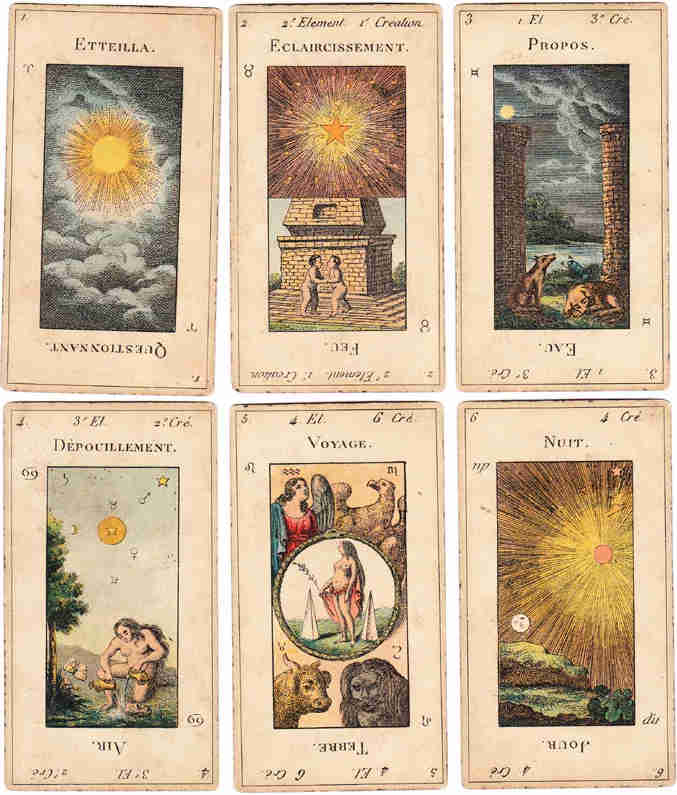
"The earliest known tarot cards weren't designed with mysticism in mind either; they were actually used to play games similar to modern bridge."
In the mid-18th century, the mystical application of the cards spread from Italy to the rest of Europe. In France, the writer Antoine Court de Gébelin asserted that the tarot was based on a sacred book written by ancient Egyptian priests, which the Roma people of Africa brought to Europe. In fact, tarot cards appeared earlier than the Roma's arrival in Europe, and they actually came from Asia rather than Africa. Despite its inaccuracies, his nine-volume Le Monde primitif (The Primitive World) was highly influential.
The teacher and publisher Jean-Baptiste Alliette wrote his first book on tarot in 1791, titled Etteilla, ou L'art de lire dans les cartes—meaning "Etteilla, or the Art of Reading Cards" [the mysterious pen name Etteilla is simply his own name, Alliette, reversed]. According to his account, he first learned divination with a 32-card deck designed for a game called "Piquet," and he also had a special Etteilla card. This type of card is called the Significator, and it usually represents an individual's fate.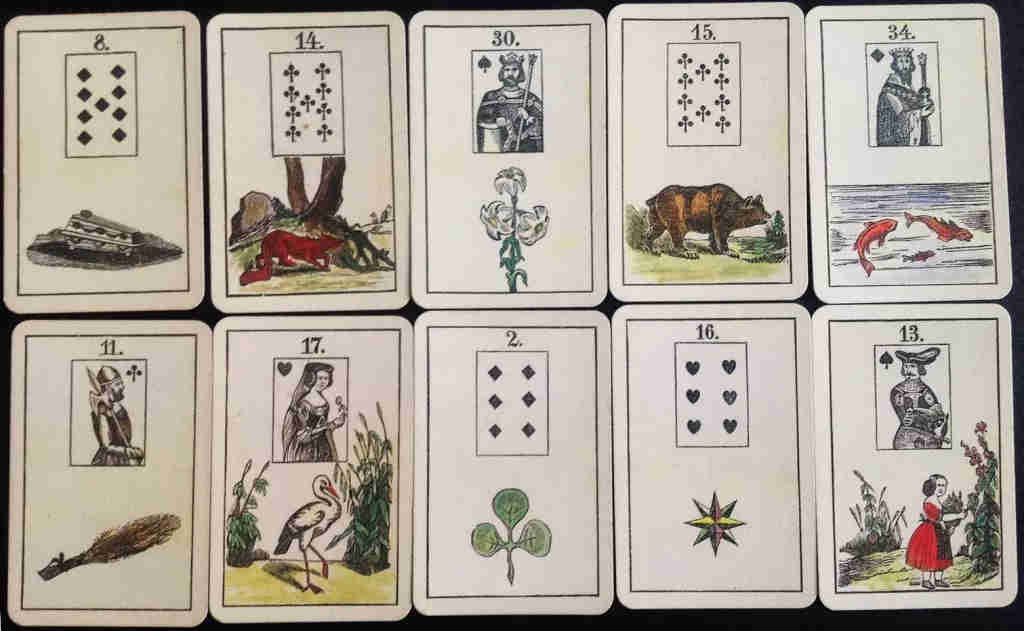
The tarot is best known for its divinatory use; others include ordinary playing cards and so-called oracle cards, a term that covers all other divination decks distinct from the traditional tarot. Etteilla eventually turned to the traditional tarot, claiming that the cards concealed secret wisdom handed down from the ancient Egyptians. This idea echoed Court de Gébelin, who claimed to recognize Egyptian symbols in the tarot's illustrations. Although hieroglyphs had not yet been deciphered (the Rosetta Stone was rediscovered in 1799), many late-18th-century European intellectuals believed that ancient Egyptian religion and writings held important insights into human existence. By linking tarot imagery with Egyptian mysticism, they lent the cards greater credibility.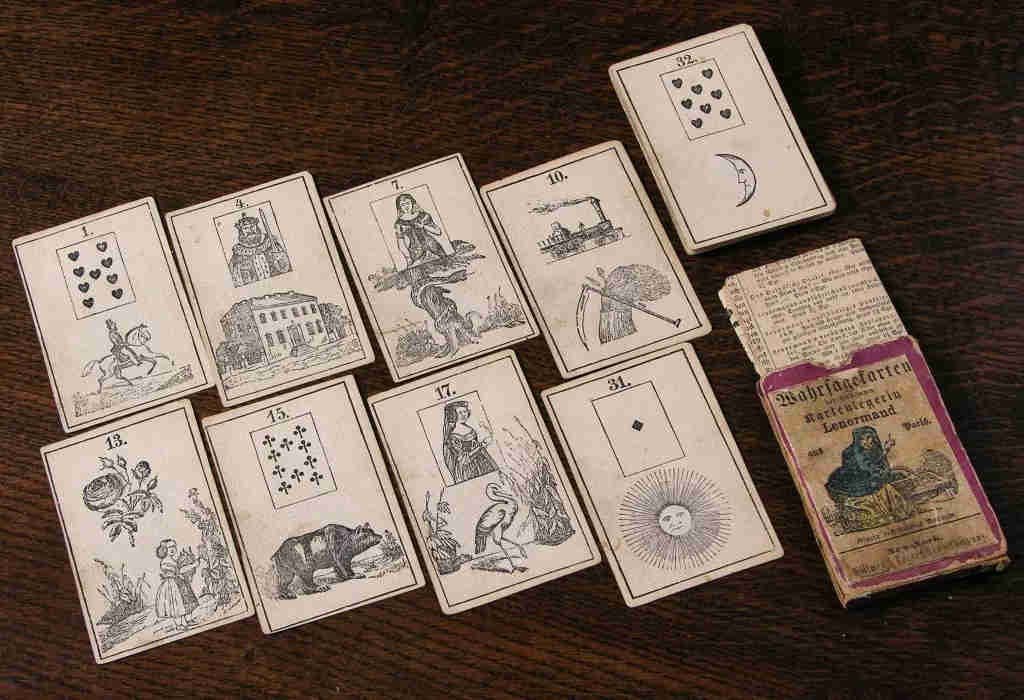
Building on this Egyptian connection, Etteilla claimed that the tarot originated from the legendary Book of Thoth, attributed to the Egyptian god of wisdom. He said that Thoth's priests carved the book onto golden plates, which provided the images for the first tarot deck. Based on these theories, Etteilla published his own deck in 1789—the first deck explicitly designed as a divination tool, which came to be known as the Egyptian Tarot.
Comment
11 classic spreads with instant upright & reversed love, career, and clarity readings.
Searchable guide to Major & Minor Arcana symbolism, keywords, and crystal pairings.
Instant visual chakra map and mindful crystal suggestions — no email required.
Handpicked quartz bracelets, orgone pyramids, and altar supplies for daily rituals.