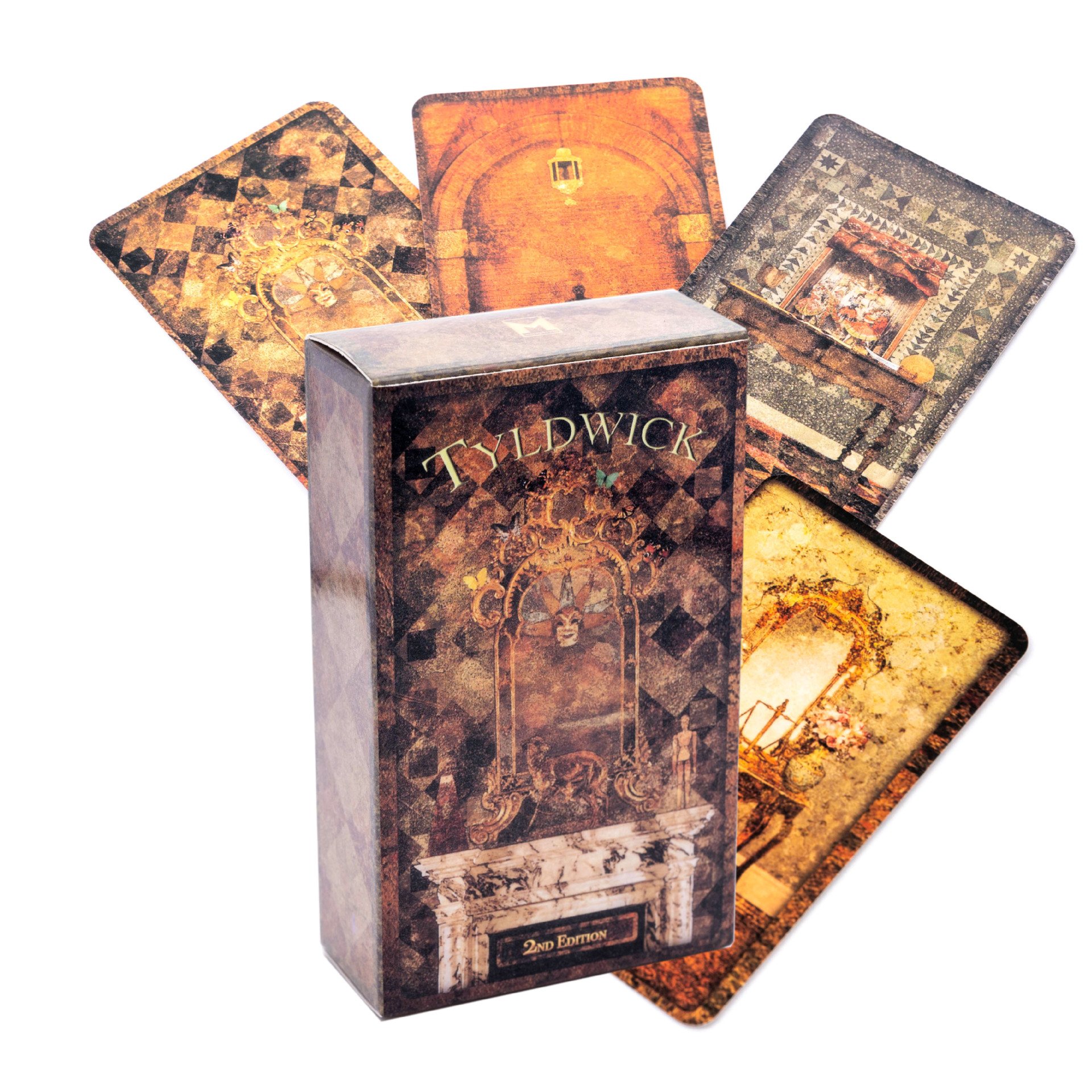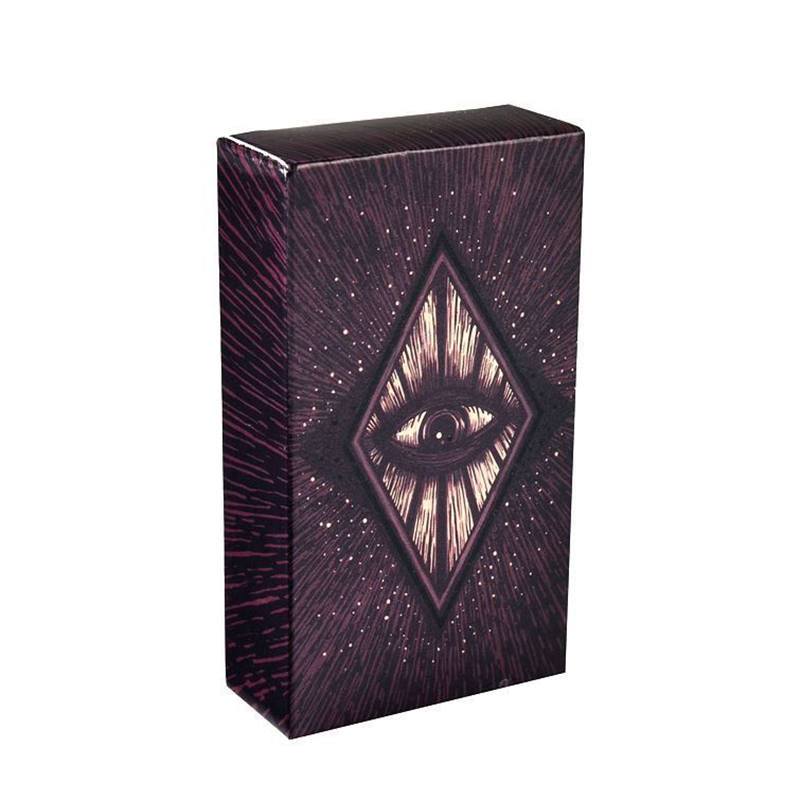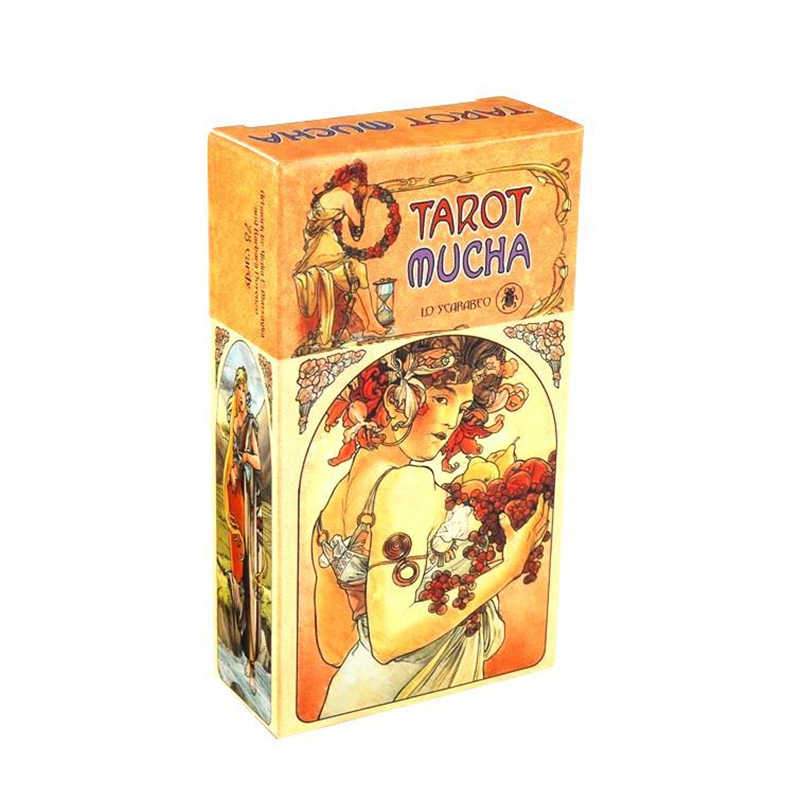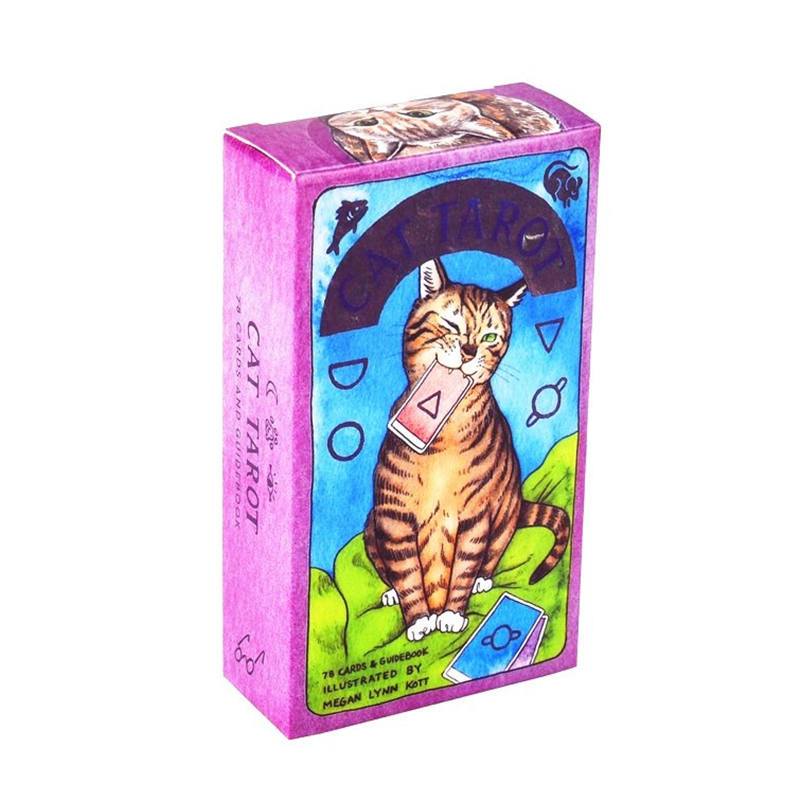
The origins of tarot cards are deeply mysterious, and they became especially popular in 15th-century Europe.
By the 18th and 19th centuries, some mystics began to notice that the imagery on tarot cards was often intricate, precise, and enigmatic. At times, they sensed a profound energy within the cards, leading them to believe that tarot was far more than just a game.
Today, tarot cards are primarily seen as a tool for divination and symbolic reflection.
Tarot is not a mechanical or isolated phenomenon—it’s a mirror of our inner world, reflecting our thoughts and emotions. Through intuition and understanding, you can interpret the meanings within each card. The artwork on tarot cards is deeply interconnected and rich with symbolism, often revealing unexpected insights. By exploring tarot as a channel for self-discovery, you honor the truth within yourself and have the opportunity to explore your own essence. Some call this the superconscious of the soul; at MofaTarot, we see tarot as a trusted guide for your spiritual journey.
A tarot reading typically involves two people: the seeker, who is searching for answers, and the reader, who interprets the cards’ meanings.
The process usually begins with the seeker asking a question. The reader shuffles the deck, the seeker draws a tarot card, and then the reader interprets the cards drawn to complete the reading.