The Unexpected Origins of Tarot Mythology (Part 1)
Jan 09,2022 | 魔法塔羅的朋友們
Leviathan's note: Whether it was The Castle of Crossed Destinies or The Tavern of Crossed Destinies, the writer Italo Calvino built his concepts and narratives around two tarot decks. Calvino himself said this idea of treating tarot cards as a combinatorial storytelling machine was inspired by Paolo Fabbri, "who presented a paper titled The Narrative of Card Divination and the Language of Emblematic Patterns at an international symposium on narrative structure in Urbino in July 1968."
As you can imagine, telling different stories from different combinations of tarot cards reveals the infinite possibilities of narrative. This is also the labyrinth of life that Calvino wanted to show us: rather than calling Calvino the architect of the labyrinth, it would be more accurate to say he was a man consumed by the labyrinth——unless you abandon this set of rules, abandon this game. Of course, if you lighten the tarot game by stripping away mysticism and the function of divination, it becomes a wonderfully playful channel for poetry creation——which is, in a sense, another cultural interpretation of "poetry as game."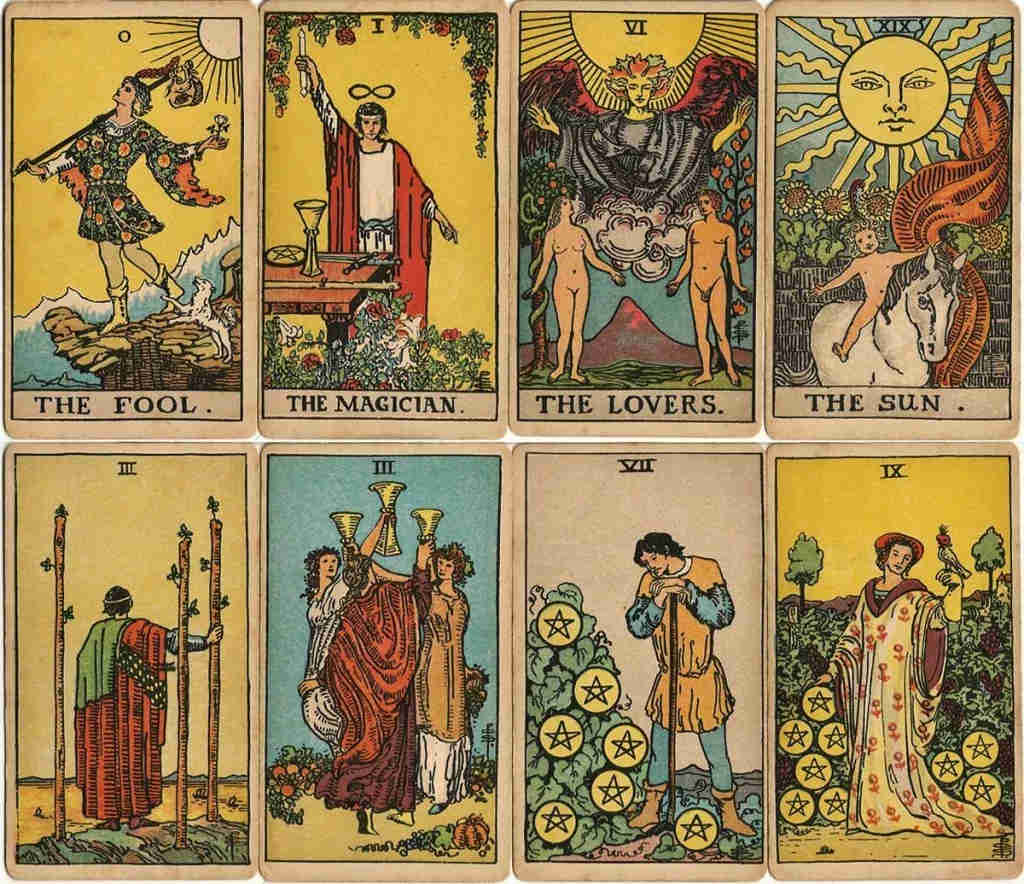
Queen, The Hanged Man, The Chariot, Judgement. Centuries of ancient symbols, religious allegory, and historical events blended together seem to have deliberately drawn a veil of mystery over the tarot. To outsiders and skeptics, the arcane art of card reading and divination has little to do with the modern world. But when you look closely at these small masterpieces, you'll find that the power of these cards doesn't come from some mystical source——it comes from the tiny, static images upon them, which mirror our most complex dilemmas and desires.
"Among tarot historians and diviners, there is much controversy and friction over the origins and purposes of the tarot."
Contrary to what outsiders might imagine, the meaning of divination cards has shifted over time, depending on the cultural and individual needs of each era they passed through. This is part of the reason outsiders feel confused——most of the allegories and events referenced in the cards were familiar to people who lived centuries ago. Caitlín Matthews, who teaches card divination, says that before the 18th century, more people could believe in and understand the imagery on the cards. Compared with historical decks, Matthews believes modern decks are harder to read.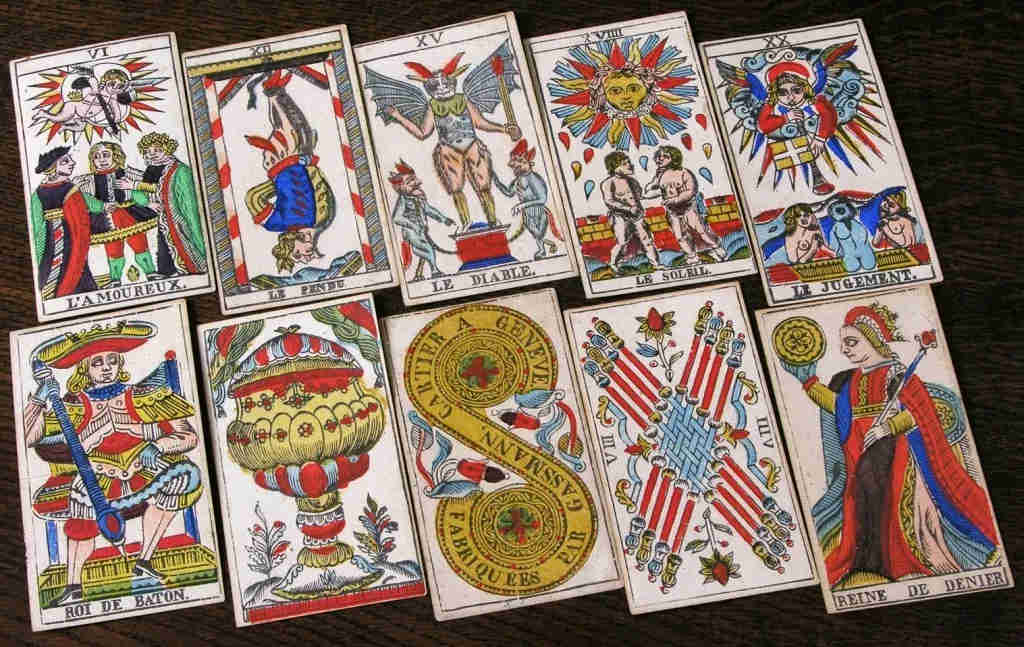
"Either very superficial or very profound——the signs and symbols are almost unrecognizable," Matthews says. "The first deck I bought was the Tarot de Marseille published by Grimaud in 1969. I hadn't used it for a long time, and recently I took it out again." It's fair to say that the Tarot de Marseille, which originated in the 17th century, is one of the most widely circulated tarot decks in history. It was first printed from woodblocks, then hand-colored using basic templates.
However, using cards for divination may date back even further——to the Mamluk cards that came to Western Europe from Turkey in the 14th century. In the 16th century, Italian nobles enjoyed playing a game called "tarocchi appropriate," in which players were randomly dealt cards and used the thematic connections between them to write poems about one another——somewhat like the popular childhood game "MASH" (editor's note: a multiplayer game whose name is an acronym for "Mansion, Apartment, Shack/Street/Shed/Sewers/Swamp, and House"). These cards used for prophecy were called sortes, a form of divination by drawing or flipping cards at random, meaning fate or lots.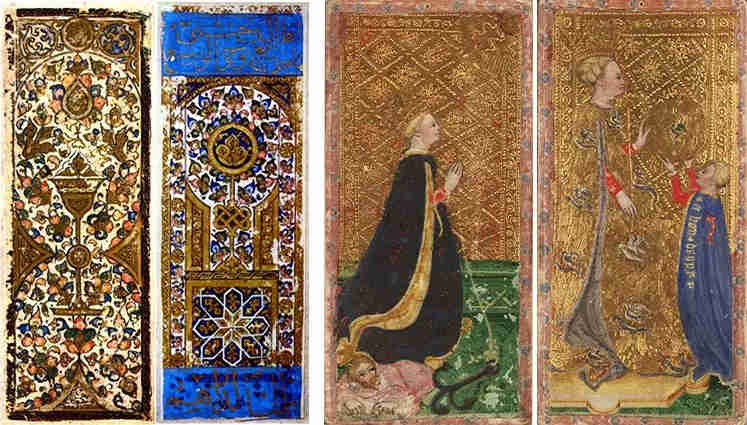
Comment
11 classic spreads with instant upright & reversed love, career, and clarity readings.
Searchable guide to Major & Minor Arcana symbolism, keywords, and crystal pairings.
Instant visual chakra map and mindful crystal suggestions — no email required.
Handpicked quartz bracelets, orgone pyramids, and altar supplies for daily rituals.