
[Crystal Knowledge] Natural Healing Crystals & Gemstones Are More Than Just Something to Wear
Jan 09,2022 | 魔法塔羅的朋友們
Crystals share a place alongside pearl, agate, and jade as one of the "four traditional treasures," and as a gemstone with high wearable value, crystal has long been cherished by women. But don't assume that all crystal is low-grade consumer goods—in fact, high-quality Natural Healing Crystals & Gemstones carry genuine collectible and investment value. Today's jewelry lesson reveals the secrets of crystal value and helps you step out of common investment misconceptions.
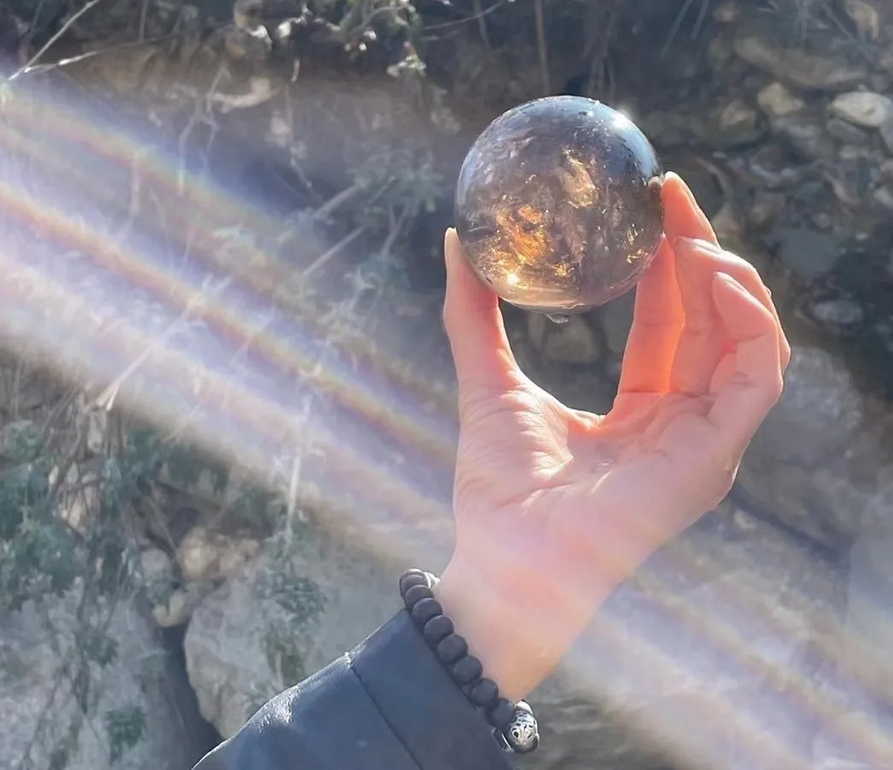
Crystal falls into two categories: natural crystal and synthetic crystal. Synthetic crystal is a man-made product with purely decorative purposes and no investment or collectible value. Natural crystal, as a non-renewable resource, is relatively scarce in supply. As resources grow scarcer, its value is bound to rise, giving it investment potential. Beyond finished crystal products, the price of Raw Crystal has also climbed dramatically. For example, Rutilated Quartz rough on today's collector's market has risen more than tenfold compared with a few years ago.
What to Know When Buying Crystal Jewelry
1. Don't follow the crowd blindly
In recent years, as the art market has continued to boom, natural crystal as a new type of collectible has drawn attention from many investors. In the auction market especially, finely crafted crystal pieces routinely fetch hundreds of thousands—even millions—of dollars, further highlighting crystal's collectible and investment value. While the appreciation potential of crystal products shouldn't be overlooked, investors should also weigh their practicality, since crystal is above all highly wearable.
2. Balance collectibility with practicality
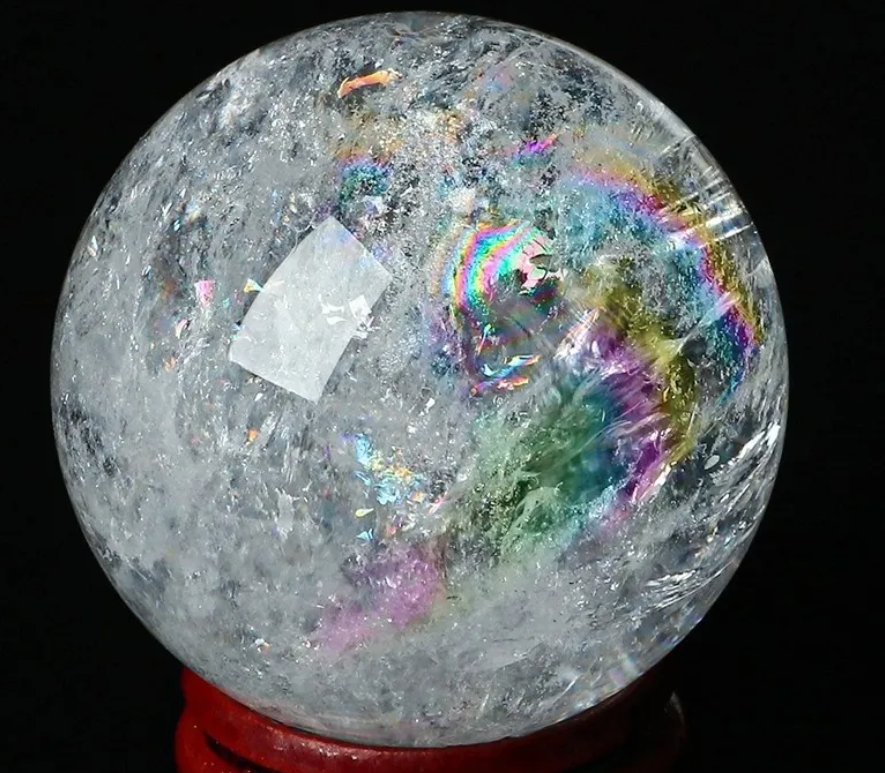
From an investment standpoint, master-carved works and antique crystal hold high collectible value, but both command steep prices and are difficult to collect. For ordinary investors, it's best to collect Raw Crystal and distinctive crystal pieces. Generally speaking, crystal spheres with pure texture and larger size carry considerable collectible value—natural crystal spheres over 6 cm in diameter, for instance, currently sell for tens of thousands of dollars.
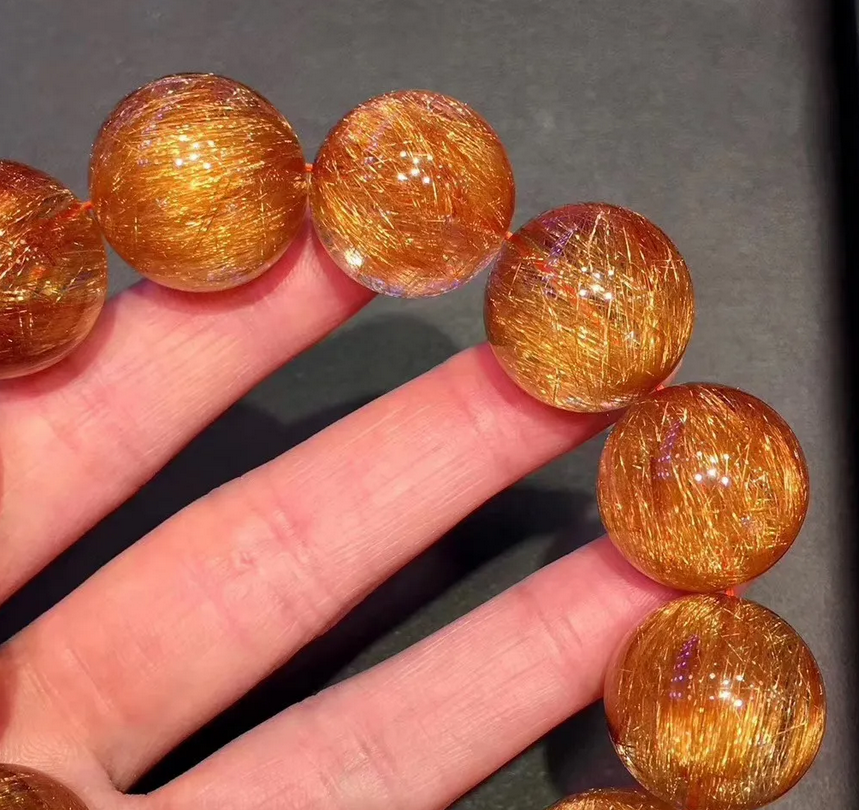
"Pictorial" fractured crystal, such as Rutilated Quartz and Tourmalinated Quartz, also holds high collectible and investment value; such pieces typically run into the thousands of dollars or more. In addition, natural crystal containing inclusions is highly collectible too. These crystals are free of impurities in the body but contain inclusions that visually form evocative, atmospheric patterns.
3. Crystal's supportive role for wellbeing
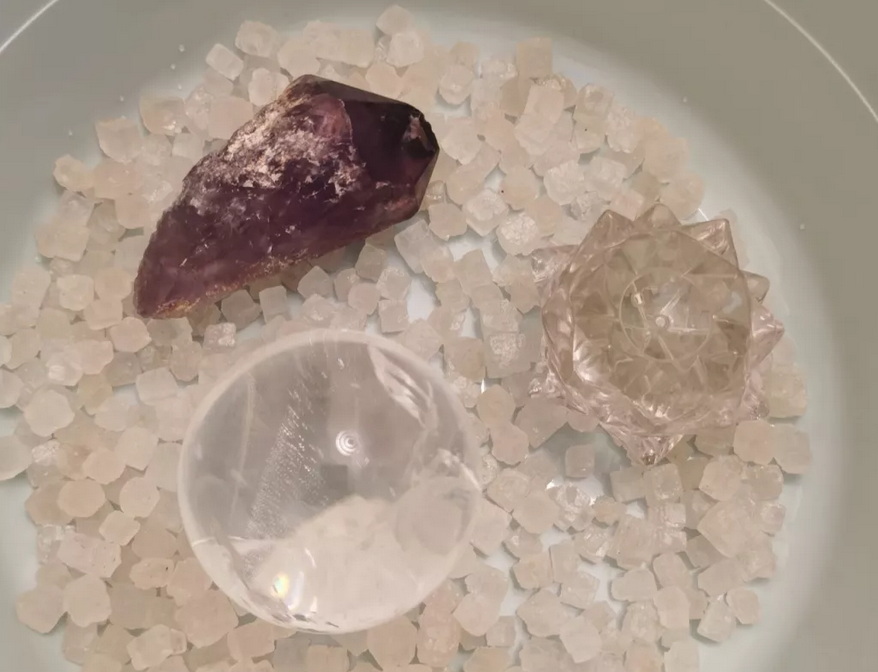
In recent years, natural crystal has drawn growing investor attention, largely because it combines practicality with collectibility. Beyond that, crystal pieces can be used for interior décor, traditionally associated with a sense of grounding and harmony in the home. Wearing crystal over time is also traditionally associated with supporting focus and a sense of calm. Many enthusiasts also keep crystal as a meditation companion, valued for its symbolic reflection and its role in grounding ritual.
4. Guard against fakes
Although crystal prices have soared in recent years, overall this is still a good moment to invest and collect. First, people don't yet fully understand crystal's value, and attention remains relatively low. Second, crystal has largely escaped market hype, and prices remain low compared with overseas markets—there's sure to be significant appreciation potential ahead.
Because crystal prices have risen so visibly in recent years, some unscrupulous sellers, seeking illicit profit, pass off synthetic crystal or glass as natural crystal to deceive consumers. So when collecting and investing in crystal, you also need to learn how to tell good crystal from bad.
How to Judge Crystal Quality
1. Look at color
Common colors are mainly pale yellow, yellow, and purple. Among these, orange-leaning Citrine is considered the most valuable, because its color is rich and mellow, conveying a regal sense of prestige. These days, though, vivid, eye-catching lemon-toned Citrine with a slight green cast is also very popular. Citrine with a grayish cast or very pale color is lower in value, since the tone is dull and lacks brightness.
2. Look at the crystal body
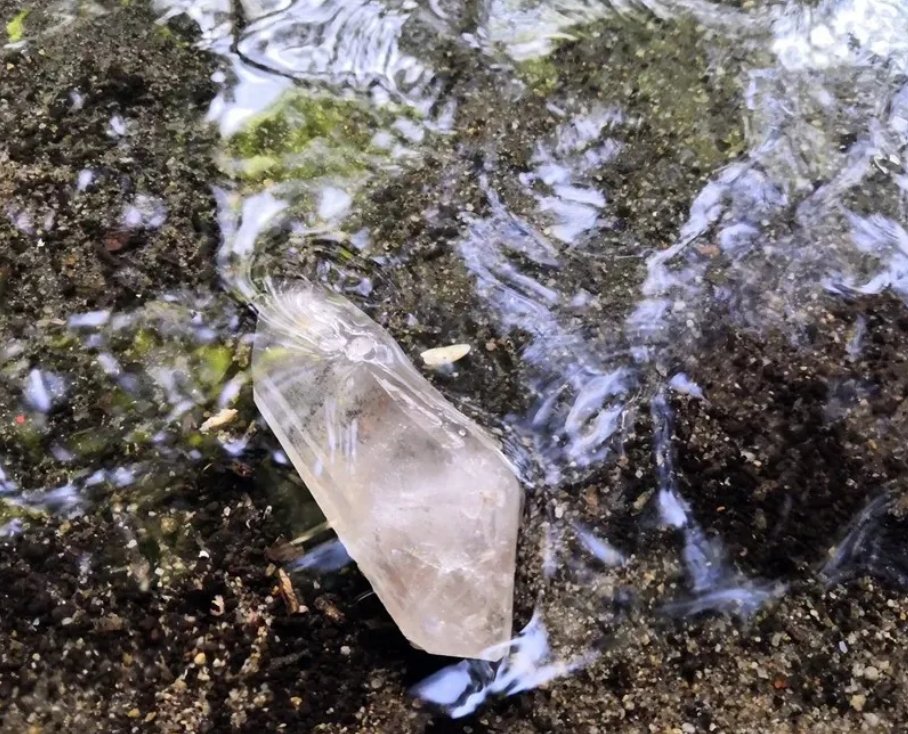
Crystal is prized for a clear, lustrous body, so when choosing crystal jewelry, try to pick pieces that are transparent inside with no obvious impurities or "cotton" wisps. Occasionally uneven color banding appears—this is a mark of natural growth and can't be judged good or bad; it comes down to personal taste. Of course, evenly colored crystal better matches most people's aesthetic sense.
3. Look at craftsmanship
Crystal jewelry is processed in three main ways. Necklaces, bracelets, and the like are mainly polished; for beads, the goal is a smooth, uniform roundness. These days beads are machine-polished, so size issues are rare—but flaws that hand-polishing wouldn't produce can still appear. Many people like to have auspicious motifs carved into gemstones. Carving is done entirely by hand: good carving can make a crystal piece, and poor carving can ruin one.
4. Look at polish
Polish quality is another factor affecting a crystal piece's value. During processing, crystal must be ground with diamond abrasive, and rough workmanship leaves friction marks on the surface. The final polishing step is decisive: well-polished crystal is naturally transparent with a fine luster—what the trade calls "full fire."
Comment
11 classic spreads with instant upright & reversed love, career, and clarity readings.
Searchable guide to Major & Minor Arcana symbolism, keywords, and crystal pairings.
Instant visual chakra map and mindful crystal suggestions — no email required.
Handpicked quartz bracelets, orgone pyramids, and altar supplies for daily rituals.