
Pyrite | The Stone of Truth and Strength
Oct 22,2024 | 魔法塔羅的朋友們
In the world of minerals, pyrite is undoubtedly a dazzling star, radiating an irresistible brilliance. Nicknamed "fool's gold," this stone has drawn fascination since ancient times for its appearance so closely resembling gold. Yet it is far more than a pretty surface—its inner chemical and physical properties have earned it an irreplaceable place across many fields.
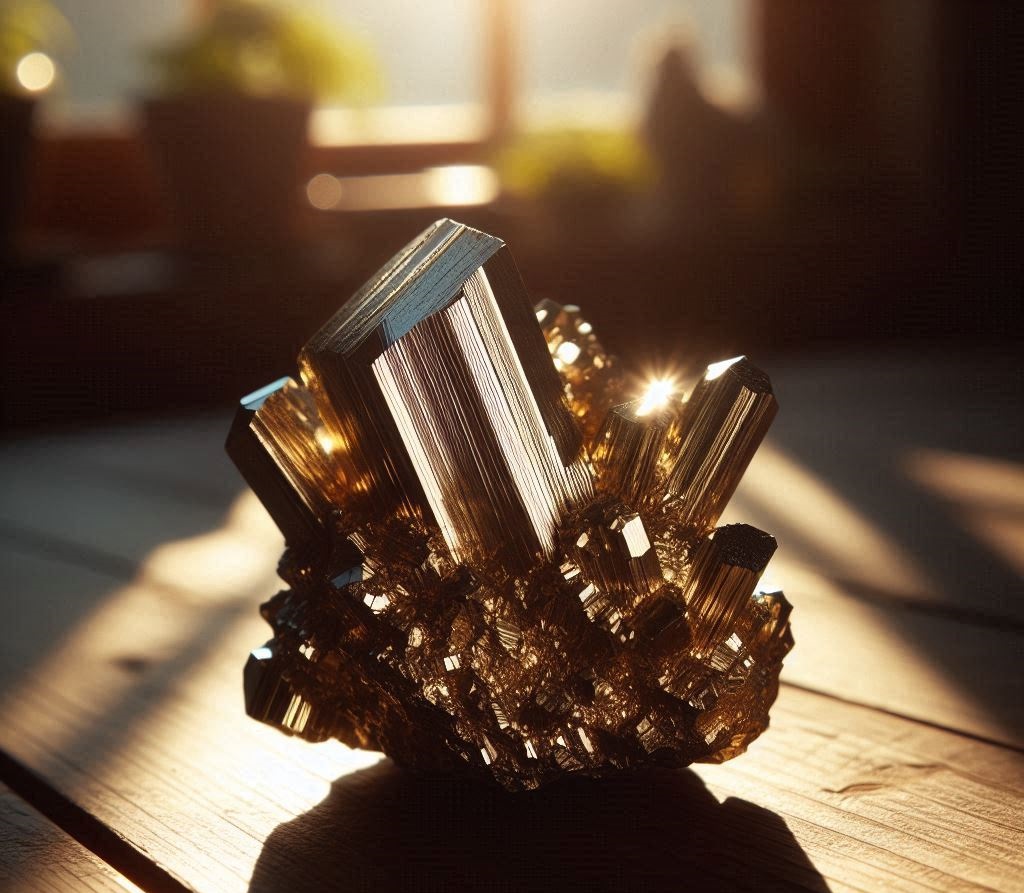
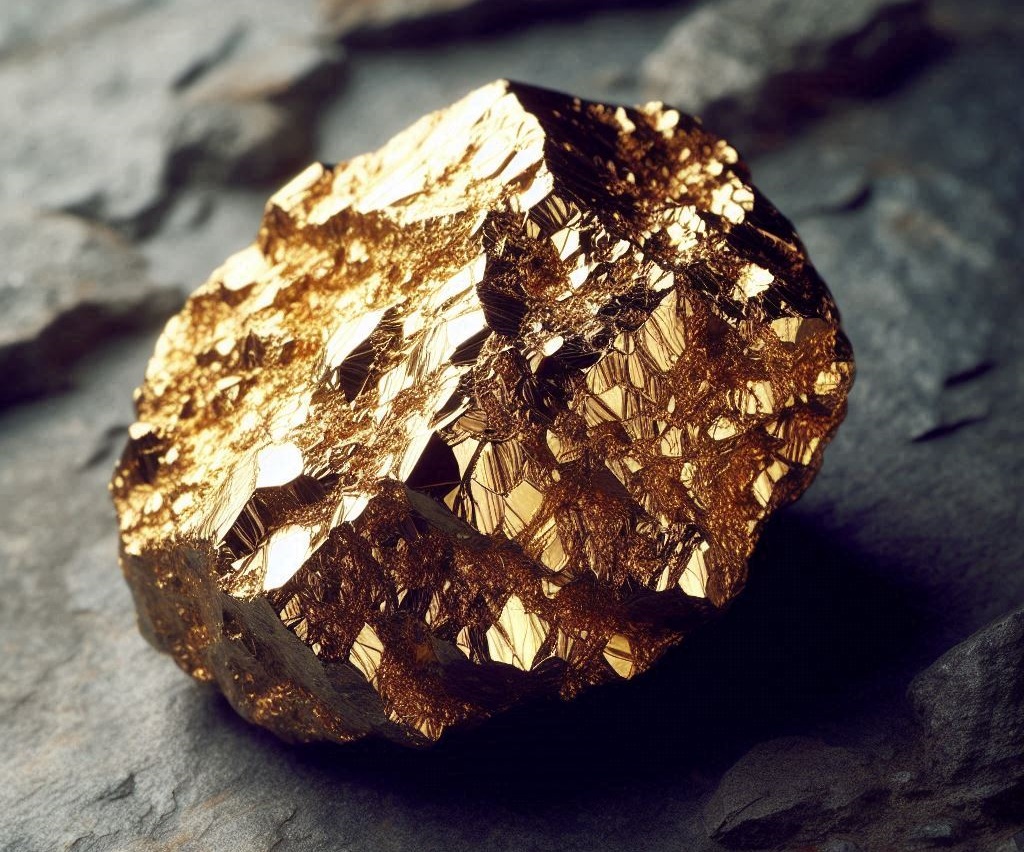
Pyrite, scientifically known as iron disulfide (FeS₂), is a common sulfide mineral. Its chemical composition gives rise to its distinctive physical traits—high density, high hardness, and a strong metallic luster. These qualities make pyrite gleam with a pale brass-yellow hue under the light, its surface flashing with intense metallic shine, so that it is often mistaken for gold—hence the name "fool's gold."
Pyrite forms in a variety of crystal habits, commonly cubes, octahedrons, and pentagonal dodecahedrons, and sometimes complex intergrown clusters. These crystal forms make pyrite all the more visually captivating and have made it a favorite among collectors. Compared with gold, however, pyrite is harder and less dense—meaning that under impact it tends to shatter, while gold simply deforms.
Pyrite's resemblance to gold is not only visual; its inner chemical nature also gives it significant industrial value. As the primary raw material for extracting sulfur and manufacturing sulfuric acid, pyrite plays a key role in the chemical, metallurgical, and petroleum industries. Roasting pyrite at high temperatures produces sulfur dioxide, which is then oxidized into sulfur trioxide and finally reacted with water to form sulfuric acid. As a vital chemical feedstock, sulfuric acid is widely used in fertilizers, pesticides, metallurgy, and petroleum.
Pyrite also has surprising applications in traditional medicine. According to ancient texts such as the Compendium of Materia Medica and the Crystal Bead Materia Medica, pyrite was traditionally recorded for its properties in dispersing blood stasis, easing discomfort, resolving accumulations, and supporting the mending of bones and sinews. Modern research has also found that pyrite can promote the proliferation of reticular cells and hemoglobin in bone marrow and surrounding blood—a finding that echoes its traditional role in Tibetan medicine. These discoveries reveal pyrite's potential in the medical field and point the way toward further exploration of its pharmacological effects.
Pyrite's distinctive appearance and crystal forms have made it a popular choice among collectors. Fine specimens with well-formed, intact crystals can serve as treasured collectibles with real aesthetic and collectible value. These pieces not only showcase pyrite's natural beauty but also remind us of humanity's reverence for and love of nature.
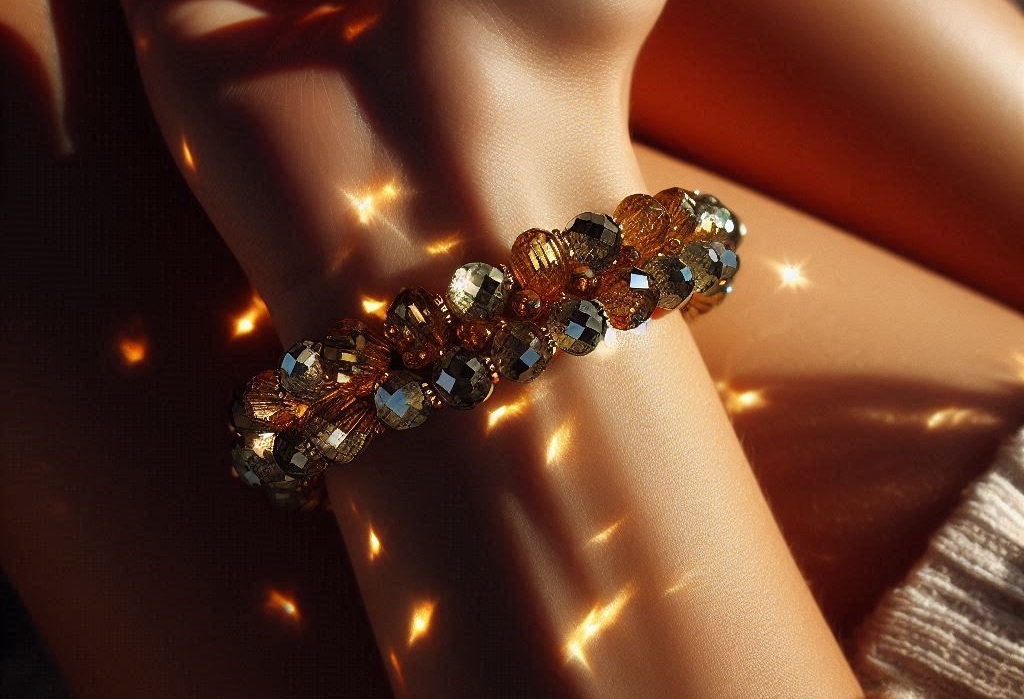
Beyond that, pyrite carries special cultural significance. In ancient times it was often regarded as a symbol of good fortune and prosperity, used to craft various ornaments and ritual objects. These items not only reflect humanity's fondness for pyrite but also express a longing and pursuit of a beautiful life.
Pyrite—this mysterious gem known as "fool's gold"—holds an irreplaceable place in industry, medicine, collecting, and culture through its unique chemical and physical properties. By looking more deeply into the true face of pyrite, we can better appreciate the strength behind this "fool" and gain useful insight for exploring its many applications and for protecting the environment.
Let us cherish this gift from nature together and explore the endless allure of pyrite!
Comment
11 classic spreads with instant upright & reversed love, career, and clarity readings.
Searchable guide to Major & Minor Arcana symbolism, keywords, and crystal pairings.
Instant visual chakra map and mindful crystal suggestions — no email required.
Handpicked quartz bracelets, orgone pyramids, and altar supplies for daily rituals.