
Amethyst, celebrated as the stone of wisdom and a timeless emblem of nobility
Jan 10,2022 | 魔法塔羅的朋友們
Amethyst, the Stone of Wisdom
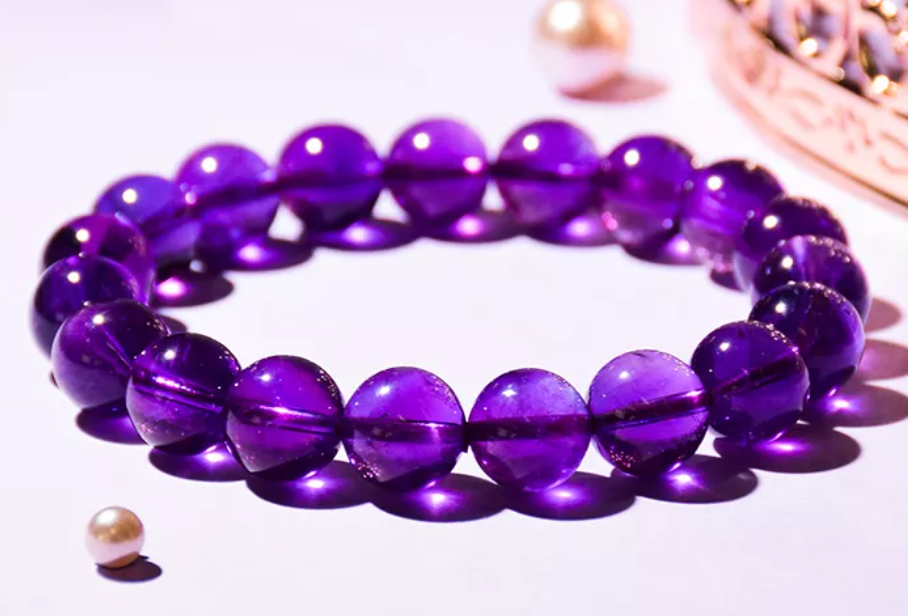
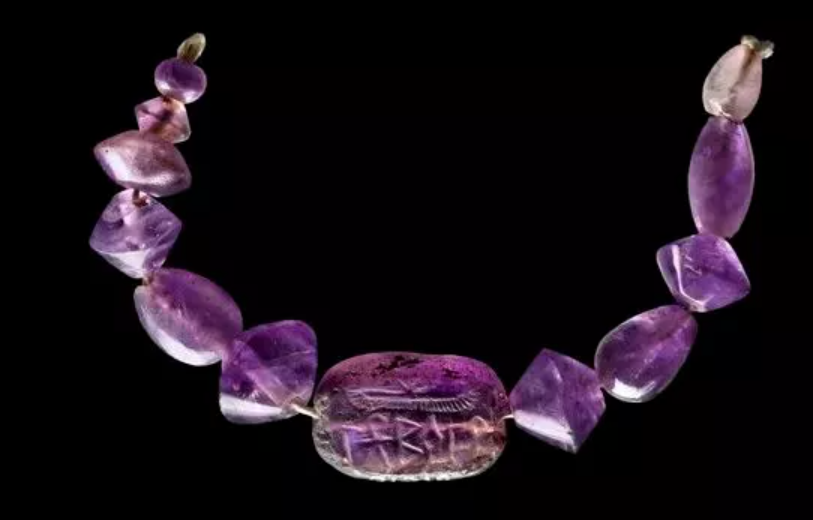
Amethyst is a member of the quartz family, composed primarily of silicon dioxide (SiO₂). Trace amounts of iron (Fe) give it its beautiful, dreamlike purple hue—and because stones of true, vivid color and exceptional quality are rare, Amethyst was once valued as highly as diamond and cherished above all others.
How Amethyst Forms
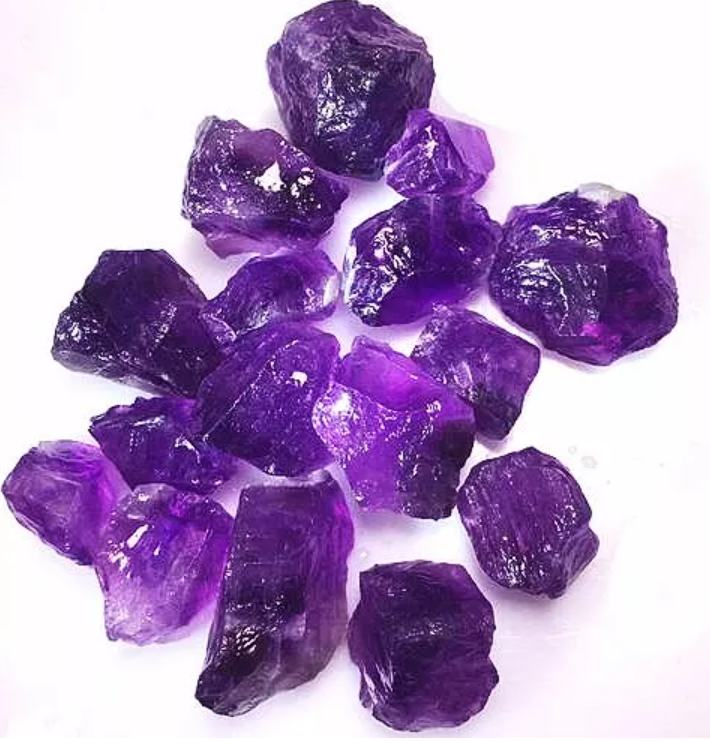
Its crystals are often found inside geodes, which form through hydrothermal filling—when hot silicate solutions seep into gas-pocketed volcanic rock and cool into crystalline structures.
Natural Amethyst typically shows natural ice fractures or white cloudy inclusions. Gem-quality Amethyst is found in geodes within volcanic rock, pegmatite, limestone, or shale.
Where Amethyst Comes From
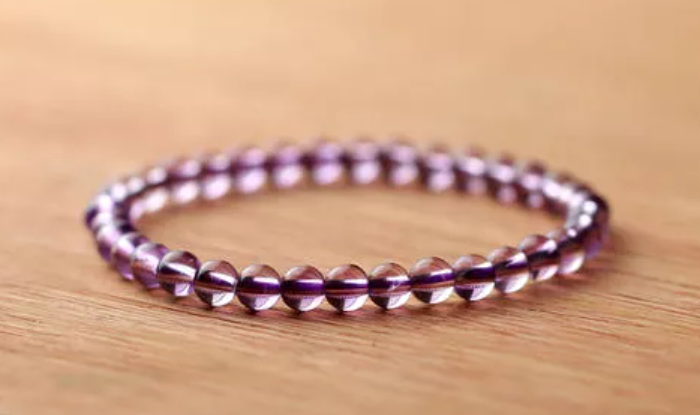
Amethyst is widely distributed in nature, but today's most highly valued Amethyst comes from the Republic of Uruguay. Uruguayan old-mine Amethyst is deep in color with a rich, lingering character, carrying a subtle wine-red fire that is utterly intoxicating.
Brazil, one of the key sources of new natural Amethyst deposits, produces stones in a range of shades from deep to pale;
however, even Brazil's darkest stones cannot match the authentic deep purple of Uruguayan Amethyst. Brazil tends to produce light to medium purple Amethyst, so simply by depth of color we can usually tell the origin at a glance.
The Origin of Uruguayan Purple
Amethyst from Uruguay is celebrated as the finest of all Amethyst tones. Because Uruguayan deposits are ancient, the raw crystal has soaked for ages in groundwater rich in manganese and iron, giving it extraordinary depth of color. The unique shade of deep purple Uruguayan Amethyst is known simply as "Uruguayan Purple."
In recent years, output has become so scarce that it borders on discontinuation, making it especially precious—often the crowning treasure of high-end jewelry boutiques. With their ever-changing allure, Amethyst pieces have been designed by many of the great jewelry houses.
After the Duchess passed away, this necklace sold at Sotheby's Geneva for $605,000.
The Myth and Legend of Amethyst
Amethyst takes its English name from the Greek word meaning, literally, "not intoxicated." Because the stone carries the color of wine, early Greek mythology linked it to Bacchus, the god of wine—believing it could keep a person from becoming drunk and preserve a clear mind.
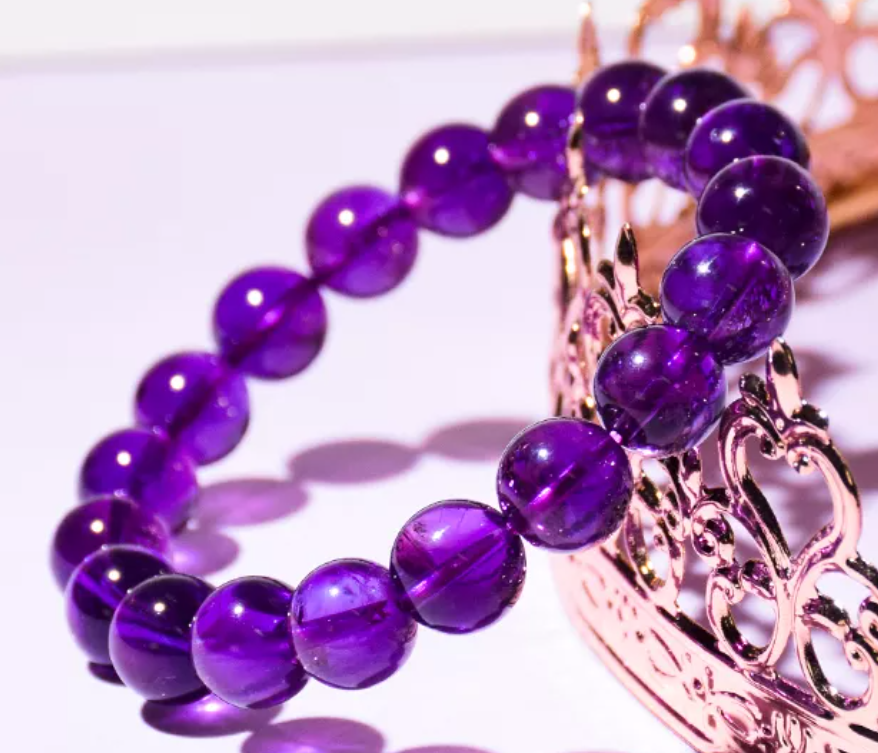
In medieval Europe, soldiers believed that wearing Amethyst in battle could support recovery and bring a calming presence; during the Renaissance, Europeans held that Amethyst could soothe lovers whose heads had been swept away by passion.
Amethyst Held in High Esteem Among Royalty and Nobility
Amethyst once ranked among the top five gemstones and was widely sought after—even royalty were devoted admirers, with many crowns set with Amethyst, a testament to the lofty status the stone held at the time.
Amethyst's standing is beyond question not only in the West but in China as well. Since ancient times, China has had the saying "purple qi comes from the east." The Western Han historian Liu Xiang recorded in his Biographies of Immortals: "As Laozi traveled west, the gatekeeper Yin Xi saw purple qi floating over the pass, and indeed Laozi came riding through on a green ox." Ever since, "purple qi comes from the east" has signified auspiciousness and good fortune.
Amethyst: The February Birthstone
Those born in February pursue freedom and intellectual depth, with keen intuition and powers of observation; they are loyal in love yet inclined toward idealism, sometimes lacking patience and prone to changing their minds;
Amethyst, with its steady energy and ability to focus intention, has long been regarded as a symbol of guarding against self-indulgence and preserving clarity and reason—making it the Zodiac Guardian Crystal for February-born souls.
It is also known as the "guardian stone of love." Purple has always been a mark of elegance, nobility, and mystery, and the ring—a sacred symbol of love—blends perfectly with Amethyst, adding a touch of mysterious, noble color to love itself.
Amethyst: Who It Suits
1. Ideal for those with a "life of toil," traditionally associated with attracting helpful mentors and making efforts go twice as far.
2. Ideal for those whose work and studies drain mental energy, traditionally associated with supporting intellect and memory.
3. Ideal for those preparing for interviews or exams, traditionally associated with strengthening test-taking ability and improving success rates.
4. Ideal for business owners, traditionally associated with attracting customers and abundance.
The Three Hallmarks of Collector-Grade Amethyst
There are three standards for identifying collector-grade old-mine Amethyst:
1. Color of authentic Uruguayan purple;
2. Natural cotton-like inclusions and ice fractures;
3. High crystal transparency;
Amethyst Collectibility Trends
Amethyst has a long history—deeply admired by royalty and nobility in the West and prized as a treasure in ancient China, where its value rivaled gold. On the market, Brazilian new-mine Amethyst is fairly common; because output is plentiful, prices remain relatively stable;
Uruguayan Amethyst, by contrast, is widely recognized as the finest quality of all—brilliant in color and captivating in beauty—yet old-mine output grows scarcer by the year, and the supply of fine Amethyst is nearing its end;
As rarity drives value—and with prices rising and crystal resources increasingly scarce—Amethyst prices are set to climb steadily. With potential for both value retention and appreciation, it is an art collectible well worth investing in.
How to Care for Amethyst
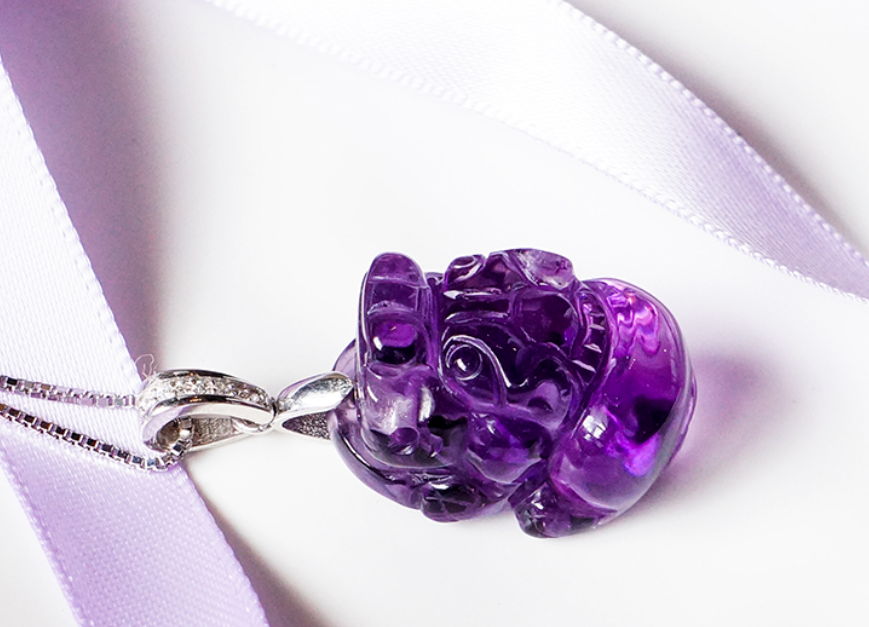
1. Amethyst has a hardness of 7 with good toughness and stability—avoid friction and impact with harder gemstones;
2. Amethyst should not be exposed to intense high heat, which can cause fading and unnecessary damage. In daily life, keep it away from hot items such as microwaves, ovens, hot steam from cooking, bathroom steam, and prolonged direct sunlight.
3. Avoid corrosion. Try not to wear your Amethyst while doing laundry, cooking, or bathing—trace chlorine in tap water and detergents can easily corrode the stone and dull its natural luster.
4. Avoid contact with cosmetics. Keep Amethyst away from makeup and perfume, as contact with these substances can trigger chemical reactions and cause spots.
5. Crystal Cleansing & Energy Charging. For daily wear, give your Amethyst jewelry 8 hours or more of cleansing and energy charging—regular cleansing is all it takes.
Comment
11 classic spreads with instant upright & reversed love, career, and clarity readings.
Searchable guide to Major & Minor Arcana symbolism, keywords, and crystal pairings.
Instant visual chakra map and mindful crystal suggestions — no email required.
Handpicked quartz bracelets, orgone pyramids, and altar supplies for daily rituals.